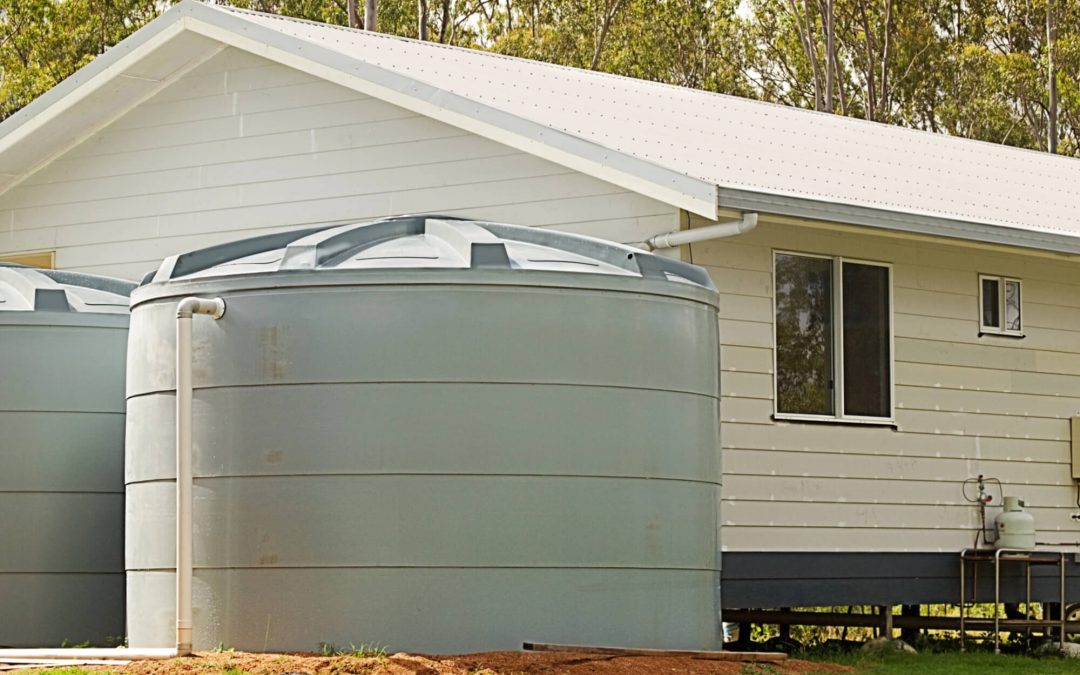
As a homeowner, you’ve probably considered a multitude of ways to make your home more efficient and environmentally friendly, and perhaps you’re simply looking for ways to save some money at the same time.
So whether you’re passionate about going green or simply trying to keep more green in your pocket, installing a rainwater tank can prove a powerful means of ticking both those boxes.You see, a rainwater tank can help you in a multitude of ways you may not have considered. It can lower your water bills, reduce your household’s environmental footprint, and provide a reliable backup water source during dry spells (we all know how ridiculously hot summers get around here).
Rainwater tanks provide a practical solution that will benefit both you and the planet, so let’s dive into why investing in one could be the perfect choice for your home.
Types of Rainwater Tanks
When it comes to selecting a rainwater tank for your home, you’ve got plenty of options. From material consideration to shape, tanks come in a variety of different forms to suit your unique needs and preferences. Here’s a breakdown of the main types you might consider:
- Plastic (polyethylene) tanks: a popular choice due to their affordability and easy installation. Made from durable polyethylene, they are lightweight, rust-resistant, and available in various colours and sizes, making them ideal for above-ground setups.
- Steel tanks: known for their strength and longevity, they are often coated to resist rust and corrosion and come in various sizes and shapes that can complement modern home designs. They’re a durable option for above-ground installations.
- Concrete tanks: for maximum strength and stability, concrete tanks are ideal. They can be installed above or below ground, with below-ground installation keeping them out of sight and out of mind. Concrete also helps keep water cool and prevents algae growth; however, it requires more space and effort to install.
- Fiberglass tanks: praised for their resistance to chemical corrosion and extreme weather conditions (hot or cold), they are a lightweight option that is available in a variety of shapes, sizes and even colours, allowing them to blend seamlessly with your home’s exterior. They are a great choice for those looking for both functionality and aesthetic appeal.
- Slimline tanks: if space is at a premium, because let’s face it, not all of us have sprawling gardens where we can indulge in a tank the size of a small swimming pool, slimline tanks are an excellent solution. Designed to fit snugly against walls or fences, they are perfect for properties with limited space.

Choosing the Right Tank
So, with so many options, what’s the best choice for you? Selecting the right type of rainwater tank involves considering several factors, including your space, aesthetic preferences, and how much water you want to collect. Each tank type offers unique benefits, so think about what aligns best with your home’s needs and your personal preferences. And if you’re still stuck you can always talk to a trusted professional about your rainwater tank installation.
Water Conservation
In today’s climate, with increasingly erratic weather patterns, water conservation has never been more important. Installing a rainwater tank is a proactive step toward managing this precious resource more effectively. By capturing rainwater that would otherwise run off your roof and into stormwater drains, you’re not only making use of a free resource but also contributing to a larger effort to reduce overall water consumption. Plus, a rainwater tank allows you to harvest and store rainwater for various uses, which can significantly reduce your dependence on mains water. This is especially beneficial during dry spells or droughts, where every drop counts. By using rainwater for tasks like flushing toilets, doing laundry, or watering your garden, you’re not just helping to ease the strain on your district’s water suppl, you’re also giving your garden a chance to outshine your neighbor’s. Who knew that eco-friendly choices could turn you into the envy of the block? How can you say no to that!
Cost Savings
Investing in a rainwater tank can be a savvy financial decision, especially with water bills that seem to climb higher and higher each year. Why not take advantage of a free water supply for everyday tasks where you’re already using water? Over time, these savings can add up significantly, potentially even covering the cost of the tank itself and then some.
Consider this: the average Australian household can save hundreds of dollars a year simply by switching to rainwater for non-potable uses. It’s like finding a secret stash of cash hidden in your backyard. Plus, many regions offer rebates or incentives for installing rainwater tanks, making the initial investment even more appealing. So, if you’re looking to cut costs while contributing to a more sustainable future, a rainwater tank might just be the financial win you need.
Sustainable Living
Rainwater harvesting supports eco-friendly practices by conserving energy and reducing pollution associated with water treatment and transport. When you use rainwater for your garden, laundry, or toilets, you’re helping to lessen the load on local water supplies and mitigating the environmental impact of high water usage.
However, incorporating a rainwater tank into your home not only contributes to a greener lifestyle but also enhances your property’s value. It demonstrates a commitment to environmental stewardship and sustainable practices, setting a great example for your community and showing that small changes can lead to significant benefits for both you and the planet.
Improved water quality
One of the lesser-known perks of having a rainwater tank is the improved water quality. Unlike mains water, which often contains chemicals such as chlorine and fluoride, rainwater is naturally free of these additives. This makes it ideal for tasks such as watering your garden, washing your car, and even cleaning windows, without leaving those annoying streaks or residue behind.
If you’re an avid gardner, your plants will especially thank you, as rainwater lacks the salts and chemicals found in tap water, helping them thrive with fewer nutrients stripped away. In fact, rainwater is rich in nitrogen, which acts as a natural fertilizer for your garden.
While rainwater isn’t used for drinking or cooking without proper filtration, it’s perfect for many daily tasks, giving you a cleaner, chemical-free alternative.
Stormwater management
A rainwater tank does more than just store water, it helps manage stormwater by capturing rainwater that would otherwise run off into stormwater drains and overwhelm the system. A rainwater tank helps reduce local flooding and erosion, while also keeping pollutants from entering waterways. Instead of contributing to the strain on stormwater systems, your tank puts this water to good use.
By storing rainwater, you’re not only preventing damage to your property and local infrastructure but also helping protect the environment. It’s an easy and effective way to turn a potential problem into a sustainable solution for your home and community.

Installation Considerations
When it comes to installing a rainwater tank there are several important factors you will need to consider to ensure it fits your home’s needs and complies with local regulations. You will need to assess the space available on your property. While slimline tanks are great for homes with limited room, larger properties may opt for underground tanks that offer more capacity. It is also important to check local council regulations as you may need approval for certain sizes or placement. Additionally, your chosen tank should be installed on a solid, level foundation to support its weight when full.
It’s essential to consult a professional for proper installation, as they will connect the tank to your downpipes and ensure it integrates smoothly with your existing plumbing system. They’ll also handle any filtration and pump setup, ensuring clean, efficient water flow. Keep in mind, some plumbing modifications might be required, so factor that into your budget. Proper installation ensures long-term performance and helps you maximise your investment.
Maintenance of rainwater tanks
To ensure you get the maximal use and benefits from a rainwater tank, regular upkeep is needed to extend the life of the tank and maintain water quality. This includes inspecting and cleaning of gutters, roof, and downpipes, as these are the first points of contact for rainwater. Debris such as leaves and dirt can clog the system, affecting both water flow and quality. It’s also essential to clean out your tank periodically. Sediment build-up at the bottom of the tank can reduce storage capacity and affect water purity. Many tanks come with filters that trap larger debris, so you will need to check and replace these filters as needed to maintain optimal efficiency. Regular maintenance helps avoid costly repairs and ensures your rainwater tank remains a sustainable asset for years to come.
Long-term investment
If you are thinking of investing in a rainwater tank it’s not just a short-term solution; it’s a long-term asset that can pay off in multiple ways. While the upfront cost of purchasing and installing a tank might seem significant, the long-term savings on water bills quickly add up. Over time, your reliance on mains water decreases, especially if you use rainwater for high-consumption tasks. If that’s not convincing enough, a rainwater tank can increase the value of your property. As sustainable living becomes more desirable, homes equipped with water-saving features like rainwater tanks are more attractive to eco-conscious buyers. In areas prone to drought or water restrictions, having a rainwater tank gives you a reliable, independent water source, which can be a major selling point. In short, it’s a smart investment for your home, your wallet, and the environment.
Conclusion
Investing in a rainwater tank offers numerous benefits that extend far beyond the immediate convenience of having extra water on hand. From reducing your water bills to promoting sustainable living, improving water quality, and even increasing your home’s value, a rainwater tank is a practical, eco-friendly addition to any household. Not only are you conserving a vital resource, but you’re also preparing for possible future water restrictions and actively contributing to stormwater management in your community.
So whether you’re looking to save money, live greener, or simply enjoy a more self-sufficient lifestyle, a rainwater tank installation is a wise, long-term investment for your home and the planet. Talk to a professional today to make a positive impact on your home.